
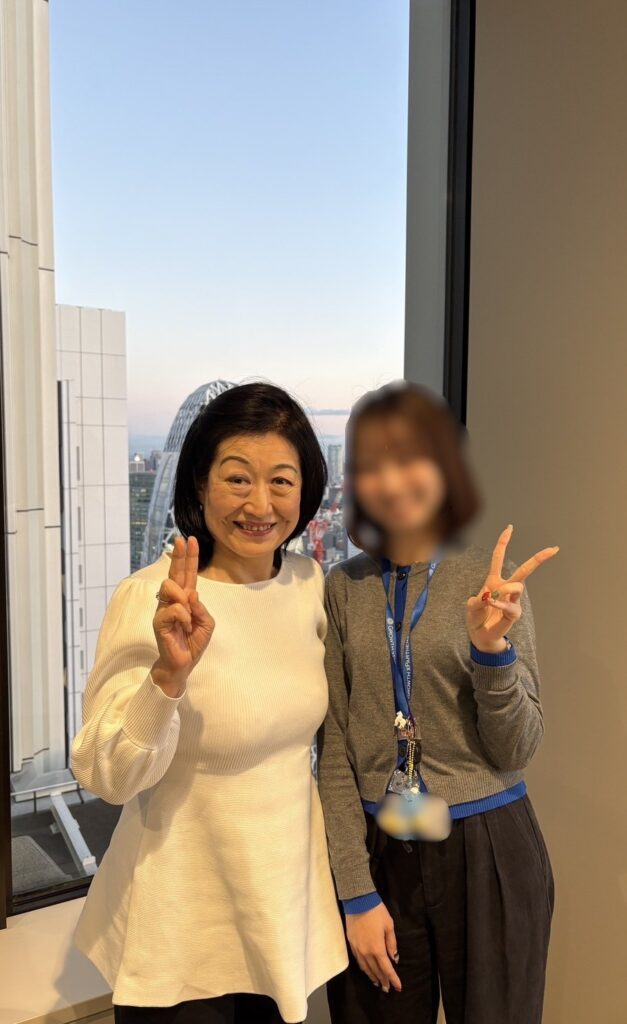
東京都の「外国人社員とのコミュニケーション力向上支援事業」の後期企業研修が行われ、現場の声を多く聞いています。
企業の皆さんからよく出る悩みは共通しています。
「何度も伝えているのに守られない」「報告をすると言ったのに来ない」「細かく指示しても、その通りに動いてくれない」
しかし、研修を通して私が強く感じたのは、本当に“伝わっている前提”で話してはいないだろうか?という点です。
日本人同士なら、曖昧な言い回しでも通じます。「察する」「空気を読む」「阿吽の呼吸」。
これは日本特有のコミュニケーション文化です。
一方、文化・教育・価値観が全く異なる外国人社員に、同じ話し方をして、本当に理解出来るのでしょうか?
私たちは100%伝えたつもりでも、相手には50%、あるいは全く別の意味で伝わっていることもあります。 これは語学力の問題ではなく、伝え方の問題です。
だからこそ大切なのは、
・曖昧にしない ・ 前提を省略しない ・伝えたあとに「理解確認」を必ず行うこと
例えば、内容を相手に言い換えてもらう(パラフレイズ)だけで、誤解やトラブルは驚く
ほど減ります。
外国人社員に合わせて対話をすることは「甘やかす」ことではありません。 成果を出すための、プロフェッショナルなコミュニケーション力です。
英語が出来るかどうか以前に、「どう伝えれば相手が動けるのか」を考える。
それが、これからの日本企業に求められることだと感じています。
⚠ “Assuming they understand” is the most dangerous mindset
The real reason communication with foreign employees breaks down
I’ve been conducting the latter-phase corporate training for Tokyo’s “Support Project for Improving Communication Skills with Foreign Employees” and gathering extensive feedback from the field.
The common concerns frequently voiced by companies are consistent:
“We’ve told them repeatedly, but they still don’t follow it,” “They said they’d report back but never did,” “Even when we give detailed instructions, they don’t act accordingly.”
However, what struck me most during the training was this question: Are we truly communicating with them under the assumption that our message is getting through?
Among Japanese people, ambiguous phrasing often gets the point across. “Reading between the lines,” “reading the room,” “unspoken understanding.”
This is a uniquely Japanese communication culture.
But can we really expect foreign employees, with entirely different cultures, education, and values, to understand us when we communicate the same way?
Even when we think we’ve communicated 100%, the other person might only grasp 50% or interpret it entirely differently. This isn’t a language proficiency issue; it’s a communication delivery problem.
That’s precisely why it’s crucial to:
・Avoid ambiguity ・Never omit assumptions ・Always confirm understanding after communicating
For example, simply having the other person rephrase the content (paraphrasing) can dramatically reduce misunderstandings and conflicts.
Adapting conversations for foreign employees is not “coddling” them. It is professional communication skill for achieving results.
Before even considering English proficiency, think about “how to communicate so the other person takes action.”
I feel this is what will be required of Japanese companies going forward.
#CrossCulturalCommunication #ManagingForeignEmployees #GlobalTalentDevelopment #BeyondBusinessEnglish #ChallengesForJapaneseCompanies #MulticulturalCoexistence #CommunicationIs90Percent
















COMMENT