
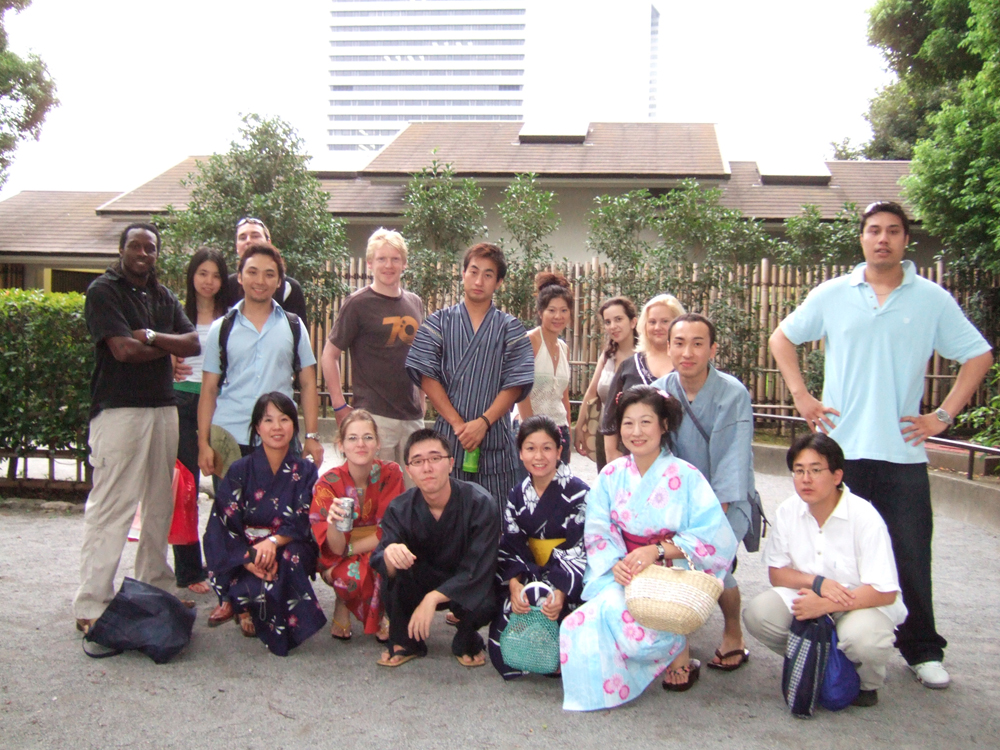
海外出身者が多く集まる英語の会に参加しました。
アメリカ・サンフランシスコのIT企業から来日しているDr.の男性。日本語能力試験N1を取得し、発音もほぼ完璧。「どれほど日本人と日常的に交流されてきたのですか?」と尋ねると、「特別な環境ではなく、時間をかけて徹底的に勉強しました」とのこと。
日本人が英語を学ぶように、ここまで努力して日本語を身につけている外国人がいる。
その事実に、まず敬意を感じました。
会には、フランス、イギリス、ドイツ、マレーシア、インド、バングラデシュなど、世界各国から日本で働く若いプロフェッショナルたちが集まっていました。彼らは皆、優秀で、意欲的で、日本市場に本気で向き合っています。
しかし、言語が完璧でも、ビジネスの進め方は一致しないところがあります。
フランス出身の方と話していて、改めて実感したことがあります。
例えば彼らは「30%見えたら、まず始める」。一方、日本は「80%以上見通しが立ってから動く」のようなことがあります。
どちらが正しいという話ではありません。問題は、この前提の違いが共有されていないこと。
日本側は「まだ早い」と感じ、海外側は「なぜ動かないのか」と感じる。
私は長年、ビジネスパーソンに英語とコミュニケーションを指導してきましたが、企業で起きている摩擦の多くは、“文化的な意思決定スピードの違い”や“前提の不一致”から生まれています。
優秀な外国人材は、すでに日本に来ています。 問題は、彼らを日本企業の中でどうレバレッジを効かせていけるかです。
グローバル人材を活かせる企業と、活かしきれない企業との差は、今後ますます広がります。
海外と日本を繋ぐのは、前提を翻訳できる力です。あなたの組織は、準備できていますか?
👆Even with N1 certification, business communication still doesn’t click?—The invisible barrier between talented foreign professionals and Japanese companies
I attended an English-speaking gathering where many overseas nationals gathered.
A male PhD researcher from an IT company in San Francisco, USA, had come to Japan. He holds the Japanese Language Proficiency Test N1 and his pronunciation is nearly perfect. When I asked, “How much daily interaction have you had with Japanese people?”, he replied,
“It wasn’t a special environment; I just studied thoroughly over time.”
Just as Japanese people learn English, there are foreigners who put in this level of effort to master Japanese. I felt deep respect for that fact alone.
The gathering included young professionals working in Japan from countries around the world: France, the UK, Germany, Malaysia, India, Bangladesh, and more. They were all highly capable, motivated, and seriously committed to the Japanese market.
However, even with perfect language skills, approaches to business execution can diverge.
Talking with someone from France, I realized this anew.
For example, they might say, “If 30% is visible, start first.” Meanwhile, Japan tends to think, “Move only after 80% or more is clear.”
It’s not about which is right. The problem is that this fundamental difference in assumptions isn’t shared. The Japanese side feels “it’s too early,” while the overseas side wonders “why aren’t they moving?”
For years, I’ve taught English and communication to business professionals. Much of the friction within companies stems from “differences in cultural decision-making speed” and “mismatched assumptions.”
Talented foreign professionals are already here in Japan. The challenge is how to effectively leverage them within Japanese companies.
The gap between companies that effectively utilize global talent and those that don’t will only widen.
What bridges overseas and Japan is the ability to translate underlying assumptions. Is your organization prepared?
#CrossCulturalCommunication #GlobalTalentUtilization #ForeignEmployeeManagement #BusinessEnglish #DifferencesInDecisionMaking #DiversityManagement
#ManagementTraining
















COMMENT